
What it's marketed for
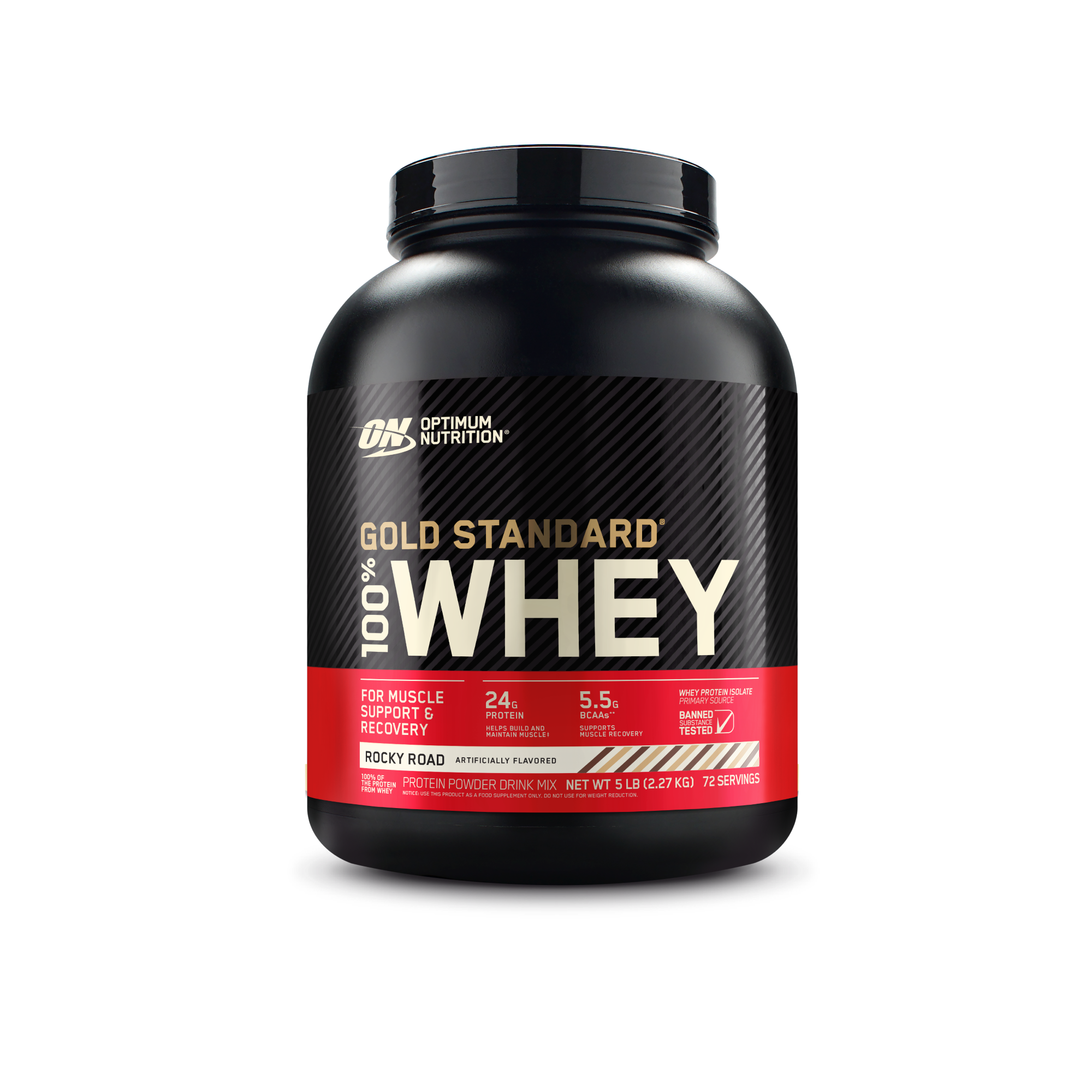
Optimum Nutrition markets Gold Standard 100% Whey as a straightforward post-workout protein supplement — help for building and maintaining muscle and recovering after training. That's structure/function language, the kind the FDA allows for a normal dietary supplement, not a claim about treating or preventing any condition. Each scoop is rated at 24 grams of protein along with 5.5 grams of BCAAs that occur naturally in the whey itself, not as a separate additive.
What we found
The part of this review that actually matters most to us isn't the marketing copy, it's the outside checking. Labdoor, an independent lab-testing organization that buys products off the shelf and tests them rather than relying on what a brand submits, has tested this product favorably for label accuracy and purity in its whey-protein category testing. That's a real third-party result, not something Optimum Nutrition wrote about itself — though we'll be honest that the exact letter grade isn't fully consistent across the secondary sources that cite it (we've seen it reported anywhere from A- to A+), so we're not repeating one specific grade as if it's settled. The direction of the result — a real, favorable independent test, not just a brand claim — is what we're confident in.
On top of that, Gold Standard Whey carries Informed Choice certification, meaning it's tested for more than 250 substances banned by major athletic and sporting organizations. That's a meaningful signal for anyone who competes in a tested sport, or who just wants some assurance the product isn't quietly contaminated.
One thing we'll flag plainly: the formula contains acesulfame potassium, an artificial sweetener. It's legal and widely used, but if you specifically avoid artificial sweeteners, it's worth knowing before you buy rather than after.
The label, in more detail
A standard 2 lb tub runs approximately 29 servings; Optimum Nutrition also sells the same formula in sizes from 1 lb up to 10 lb, so the per-serving math is consistent across container sizes. Optimum Nutrition itself is not a young startup — the brand dates back to 1986, and has been owned since 2008 by Glanbia plc, a large, publicly traded Irish dairy and nutrition company with real financial scale behind it. Manufacturing runs through cGMP-certified facilities in Aurora, Illinois; Walterboro, South Carolina; and Sunrise, Florida — all verifiable, physical U.S. production sites rather than an outsourced, unnamed contract manufacturer.
Where to buy it
Between the Labdoor lab result, the Informed Choice certification, and a manufacturer with a multi-decade track record and named production facilities, we're comfortable pointing readers to it.
See it on Amazon →As an Amazon Associate, Mind Vitality News earns from qualifying purchases. This link opens a live Amazon search for this exact product, not one specific listing we control — prices and sellers may vary.
Common questions
- Is Gold Standard Whey actually independently tested, or is that just a marketing claim?
- Both the Labdoor rating and the Informed Choice certification come from outside organizations that test the product themselves, rather than a claim Optimum Nutrition makes about its own manufacturing.
- Does it contain artificial sweeteners?
- Yes — acesulfame potassium is in the formula. If you avoid artificial sweeteners specifically, that's worth knowing going in.
- Will this cause stomach upset if I'm lactose intolerant?
- It's possible, since whey is milk-derived. Whey isolate versions tend to be tolerated better than whey concentrate for people sensitive to lactose.
Sources
- Labdoor, whey protein powder category lab-testing results
- Informed-Sport / Informed Choice certification program, banned-substance testing standard
- Optimum Nutrition, Gold Standard 100% Whey product and manufacturing information
- Glanbia plc, corporate ownership disclosure of Optimum Nutrition (acquired 2008)